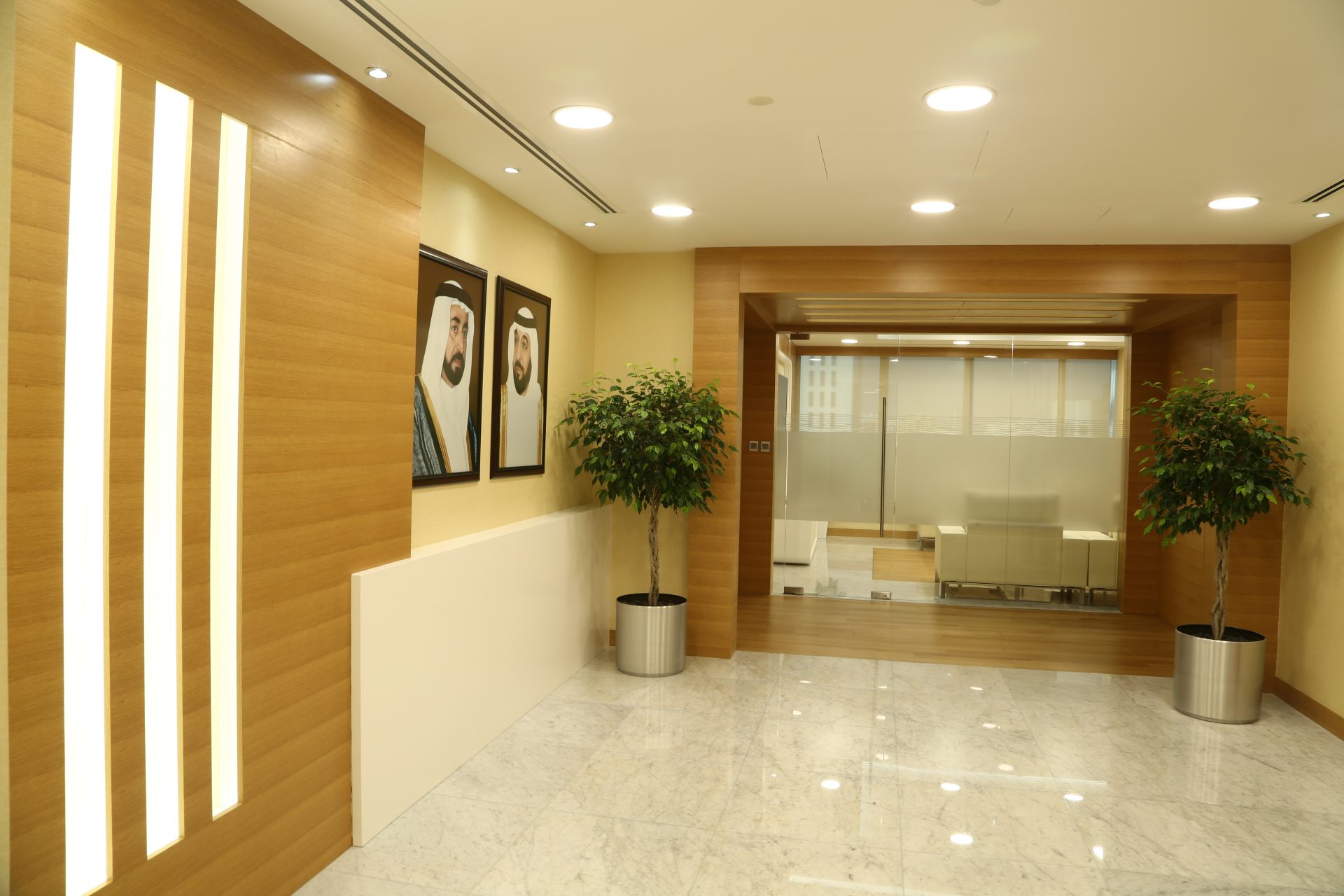
Dubai’s built environment is extraordinary.
The city has invested more per square metre in architectural and interior design than almost anywhere on earth. Hotel lobbies that took three years and tens of millions of dirhams to create. Restaurant interiors designed by internationally recognised firms. Residential developments with finishes that belong in design magazines.
And then someone photographs them on a phone.
Interior photography in Dubai is one of those disciplines where the gap between amateur and professional results is immediately visible and commercially significant. A poorly lit photograph of a beautiful space makes the space look ordinary. A professionally lit and composed photograph of the same space makes it look exactly as extraordinary as it is.
Table of Contents
ToggleWhere Interior Photography Matters Most in Dubai
Hospitality and hotels
Dubai’s hotel market is highly competitive. The photographs on a hotel’s website, booking platforms, and social media are the primary decision-making tool for guests who have not yet visited. Hotels that invest in professional interior photography consistently outperform those with mediocre imagery on booking platforms.
Restaurants and cafes
Dubai has over 13,000 restaurants and cafes. The interior photographs on Google Maps, Zomato, and Instagram are how potential customers decide between options they have never visited. A restaurant with beautiful interior photography gets bookings. A restaurant with dark, blurry photographs loses them to a competitor that looks better, regardless of which food is actually better.
Real estate
Dubai’s property market is one of the most active in the world. Show apartments, villa interiors, and lifestyle photography are professional photography requirements for any serious developer or agency. The visual quality of property photography directly affects interest levels and sale prices.
The Technical Challenges of Interior Photography
Mixed lighting
Most commercial interiors in Dubai combine multiple light sources: warm tungsten downlights, cooler LED panels, daylight from windows, and sometimes coloured accent lighting. Managing these sources so the photograph looks natural and balanced requires either advanced flash techniques or HDR compositing workflows, and sometimes both.
Wide angles and distortion
The wide-angle lenses typically used for interior photography produce barrel distortion that makes straight lines bow outward. Correcting this in post-production, and choosing the right lens and shooting position to minimise it, is a specialist skill.
Capturing a sense of space
A small room looks smaller in a photograph than in person. A large room can look unremarkable if photographed from the wrong position or at the wrong time of day. The skill of interior photography is choosing positions, angles, and times of day that make a space feel as generous and well-designed as it actually is.
Preparing Your Space for an Interior Photography Session
- Declutter: Remove anything that is not part of the intended interior design from every surface that will be photographed.
- Clean thoroughly: Fingerprints on glass surfaces, smudges on polished floors, and minor marks on walls are all visible in professional photography.
- Check all bulbs: Burned-out bulbs are immediately visible. Replace any non-functioning bulbs before the session.
- Brief your team: Ensure staff know not to enter photographed areas during shooting and that the space will be cleared for the session.
- Discuss styling: Professional styling assistance for table settings and decorative details makes a significant difference to the final images.
What to Expect During an Interior Photography Session
A walkthrough of the space before shooting begins to identify key compositions, assess lighting conditions, and agree the shot list. Setup time per shot is required for positioning of equipment and lighting rigs. Each shot takes longer to set up than portrait photography but produces a technically complete and polished image.
TIME OF DAY MATTERS
For spaces with significant natural light from windows, the time of day when the session is scheduled matters enormously. East-facing spaces photograph best in the morning. West-facing spaces photograph best in the afternoon. A photographer who does not discuss this before scheduling an interior session is not planning properly.
Related Services
Frequently Asked Questions
Interior photography pricing varies based on the size of the space, the number of images required, and the complexity of the lighting setup. Contact Zest Photography directly for a quote based on your specific property.
A typical hotel room or restaurant interior session covering 8 to 12 images takes 3 to 4 hours. Larger properties typically require a full day or multiple sessions.
Yes. Decluttering, cleaning, and styling the space before the session is essential for professional results.
In most cases, we recommend scheduling outside operating hours. Active operations introduce variables that significantly complicate professional interior photography.