Before any food photography session begins, the most important conversation has nothing to do with cameras.
It is about the restaurant. What does it want to communicate? Who comes through the door, and why? Is this a neighbourhood cafe that values warmth and approachability, or a fine dining restaurant where every plate is a considered act of craft? Is the Instagram feed aimed at residents who eat out twice a week, or tourists who are planning one special dinner on a short trip?
These questions change everything. The same dish photographed with different intent looks like a different dish. The same restaurant’s food styled to communicate luxury looks completely different from the same food styled to communicate comfort and familiarity. Understanding the brief before picking up a camera is what separates photography that works commercially from photography that just looks nice.
After several years shooting food photography across Dubai’s restaurant scene, from independent cafes in Jumeirah to hotel dining rooms in Downtown to cloud kitchens that live entirely on Talabat listings, this is a behind-the-scenes account of how a professional food photography session actually works.
The Brief: What We Need to Know Before We Arrive
Every food photography session at Zest Photography starts with a briefing conversation. This covers:
- The brand’s visual identity. What colours, tones, and aesthetic already exist in the brand’s marketing? The photography should look like it belongs to the brand.
- The usage. Where are these images going? A Talabat listing requires different composition and framing from an Instagram post, which requires different framing from a printed menu.
- The hero dishes. Not every item on a menu photographs equally well. We identify the 8 to 15 dishes that are most visually compelling, most ordered, and most central to the brand identity.
- The style reference. We ask for a small selection of images the client loves. These communicate tone, colour, and composition preferences more accurately than any verbal description.
The Day Before: Preparation Work
The day before a food photography shoot is as important as the day itself.
We confirm the shot list and ensure the kitchen team knows exactly which dishes will be photographed and in what order. Cold dishes before hot. Dishes that hold well before dishes that need to be photographed within minutes of leaving the kitchen.
We scout the location if we have not shot at this restaurant before, visiting in the afternoon to assess the natural light, identify the best surfaces and backgrounds, and plan where equipment will be positioned. In Dubai, the direction a restaurant faces determines whether morning or afternoon light works better. East-facing restaurants get beautiful soft light in the morning. West-facing restaurants come alive in the afternoon.
The Setup: What Goes Into a Shot Before the Food Arrives
Most people assume food photography is about pointing a camera at a plate. The setup work is where most of the actual photography happens.
Surface and background selection
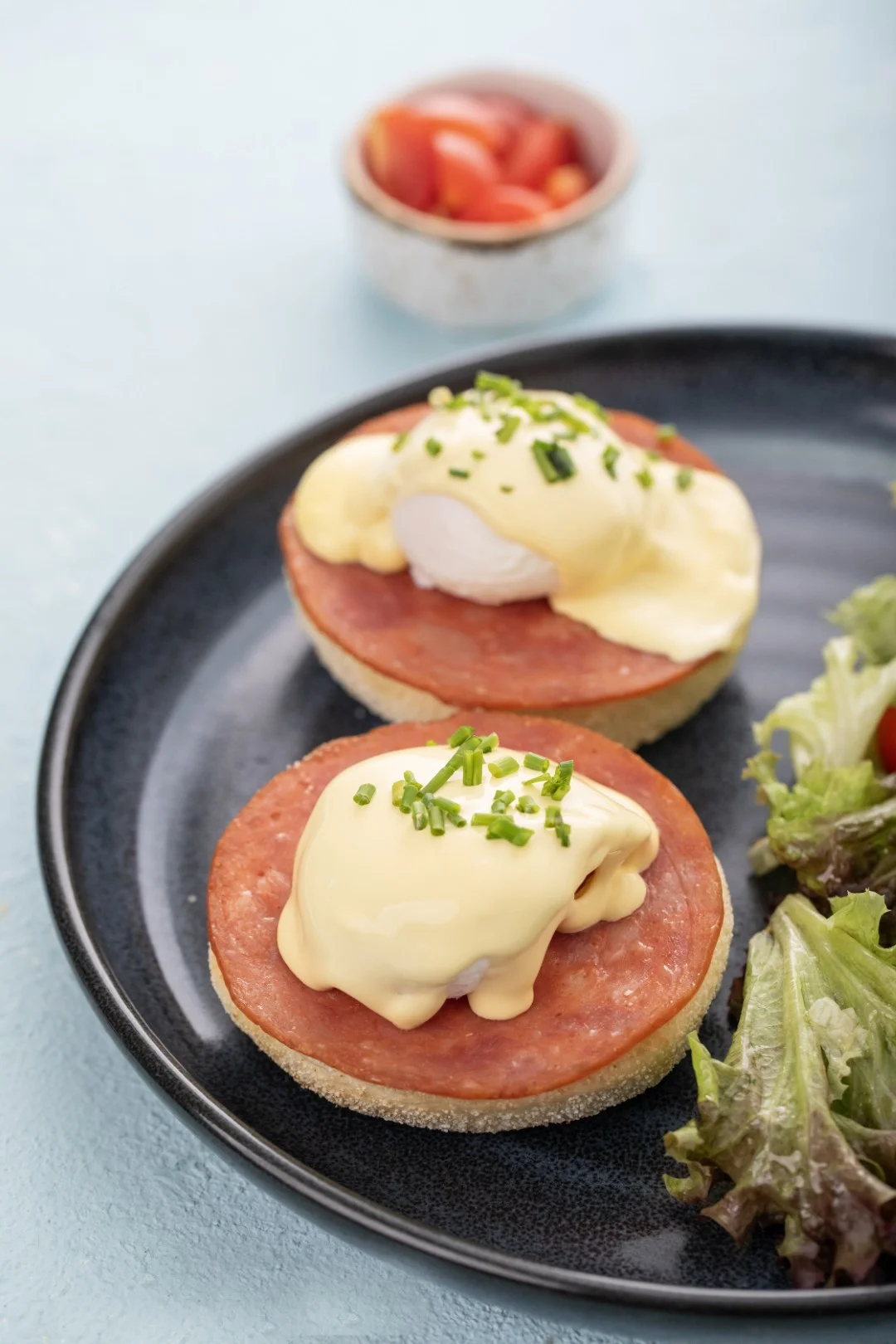
The surface the dish sits on communicates as much as the dish itself. Dark wood communicates warmth and comfort. Marble communicates precision and luxury. Rough stone communicates artisan craft. Plain white communicates cleanliness and freshness. We bring a range of surfaces to every shoot and select them in response to the dish and the brand’s tone.
Light setup
Natural window light, when available in the right direction and at the right intensity, produces the most natural and appealing food photographs. For restaurants that don’t have suitable natural light, we use continuous LED panels positioned to replicate the softness and directionality of window light.
Shadows in food photography are deliberate. A shadow that falls across a dish in the right direction creates depth and dimensionality. A harsh shadow in the wrong direction makes the dish look flat. Managing light to produce the right shadows is one of the core skills of food photography.
Propping and styling
Props in food photography should earn their place. A linen napkin that adds texture without competing. Cutlery that suggests scale. A small element of the ingredient that contextualises what is in the dish.
The discipline of food styling is knowing when to stop. Over-styled food photography looks curated to the point of unreality. Under-styled looks careless. The aim is the appearance of natural arrangement, which is almost always the result of deliberate arrangement.
When the Food Arrives: The Shoot Itself
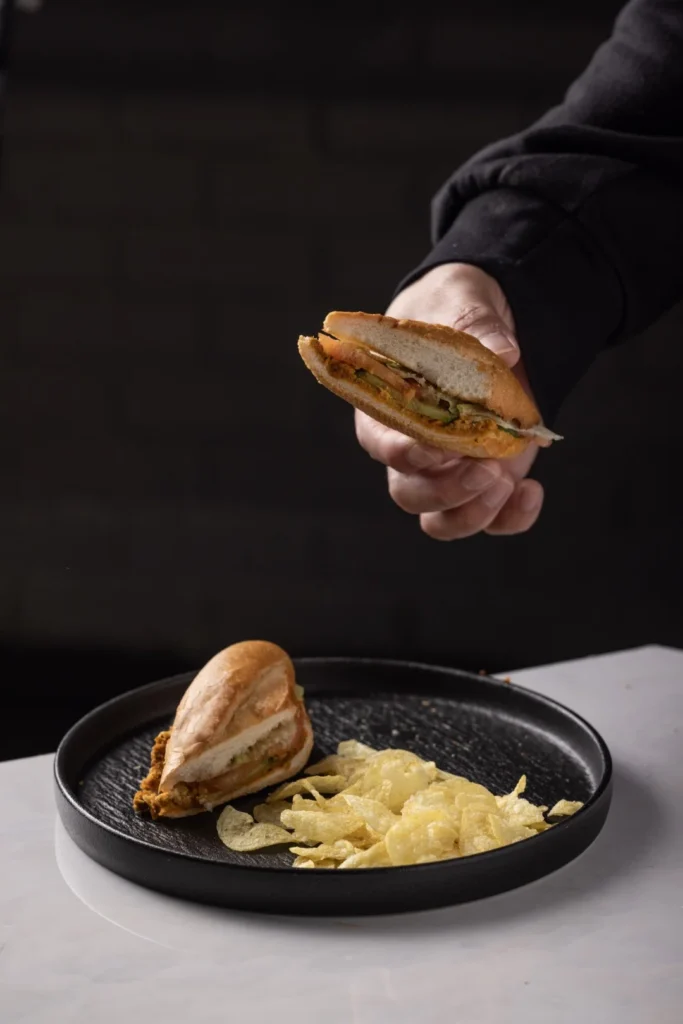
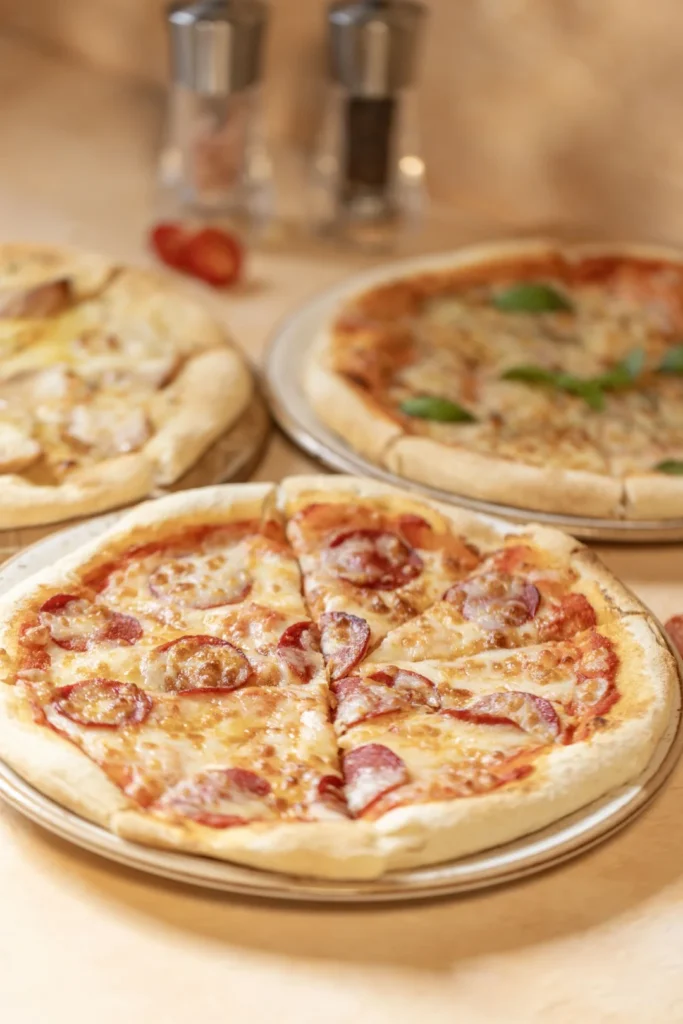
Hot dishes have a window. It varies by dish, but most hot food looks its best for 2 to 8 minutes before steam dissipates, sauces settle, and the visual peak passes. We plan the setup before the dish leaves the kitchen, so when it arrives, the camera is already in position and we are shooting within 60 seconds.
We typically take 20 to 40 frames per dish across multiple compositions and styling variations. The editing process then selects the strongest two or three images from that sequence.
The composition decision
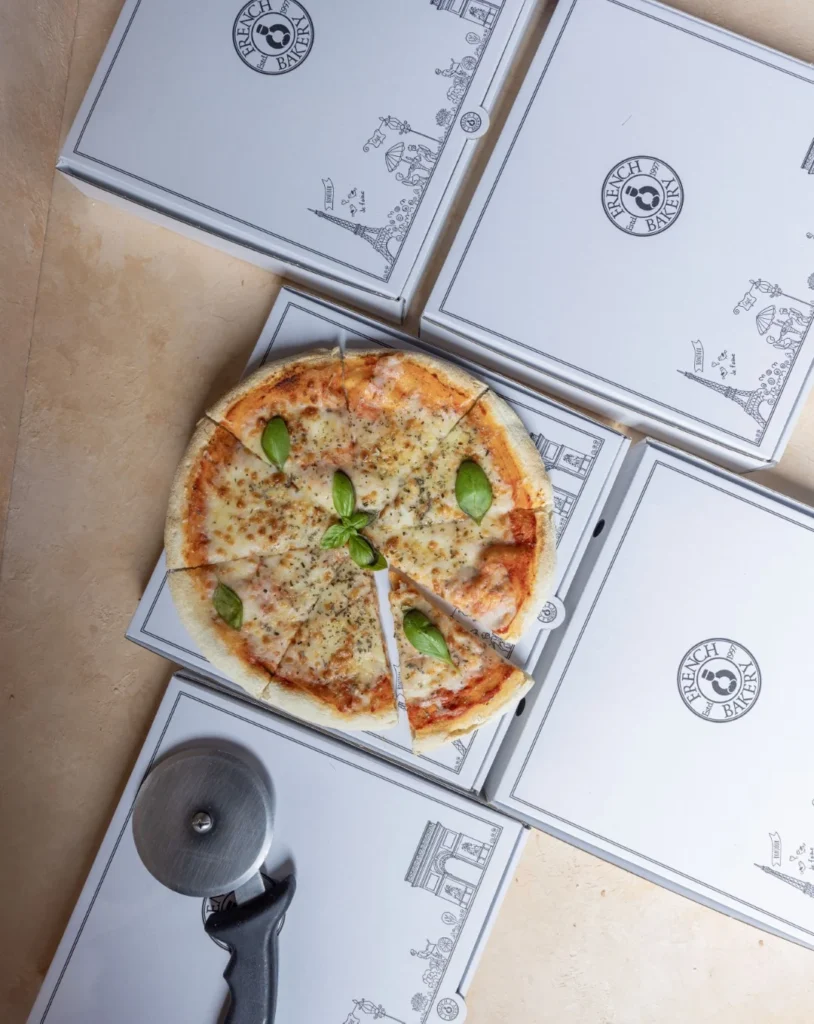
For most dishes, we shoot a hero angle (the most visually comprehensive composition), a tight detail shot (close-up texture, sauce, garnish), and an environmental shot (the dish in the context of the table setting or the restaurant). This gives the client images that work across different contexts: the hero for the Talabat listing, the detail for Instagram, the environmental for the website or printed menu.
Post-Production: Where the Images Are Finished
Colour accuracy: The food should look exactly like the food. Not warmer, not cooler, not more saturated. Accurate. The test is whether a customer who sees the image and then orders the dish feels that the photograph represented what arrived at the table.
Skin tone equivalents in food: Reds in food (tomato, beef, salmon) should be warm and inviting, not orange or magenta. Greens should be vibrant, not yellow-grey. These specific colour corrections require the same attention to natural accuracy as skin tone correction in portrait photography.
Clean backgrounds and surfaces: Dust particles, minor scratches on surfaces, stray drops of sauce outside the plate. Post-production cleans these without altering the food itself.
The Turnaround
For a standard restaurant food photography session at Zest Photography, edited images are delivered within 3 to 5 business days. For urgent requirements, same-day preview images are available on request, with full edited delivery within 48 hours.